
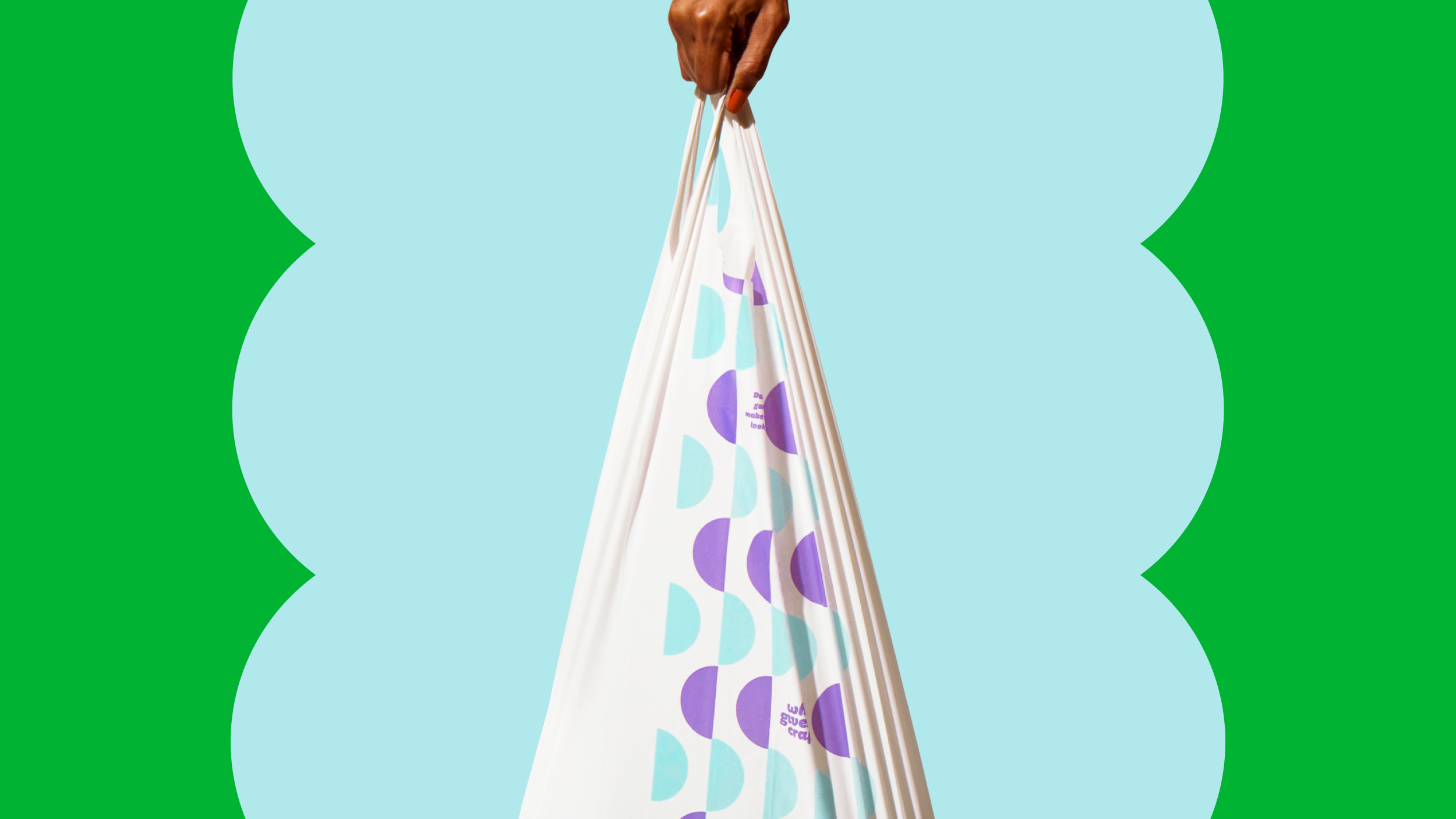
Your bin liner might be causing more trouble than the rubbish it holds. While we sort, rinse and compost with the best intentions, traditional plastic bags slip through the cracks and can linger far longer than anything we put inside them.
They clog landfills, drift through waterways and outstay their welcome by hundreds of years. And because they “disappear” the moment the bin is tied, we don’t see the enormous impact they have on our big, beautiful planet.
This guide unpacks the differences between recycled, compostable and biodegradable bags so you can choose the option that works best for your home, aligns with your values and lightens your footprint one rubbish run at a time.
Table of Contents
Why Should You Switch to Eco-Friendly Garbage Bags?
What's the Difference Between Recycled, Compostable, and Biodegradable Bags?
How Do You Choose the Right Eco-Friendly Garbage Bag for Your Needs?
Are Eco-Friendly Garbage Bags as Durable as Traditional Plastic?
What Should You Know About Disposing of Eco-Friendly Garbage Bags?
Why Should You Switch to Eco-Friendly Garbage Bags?
Here's a number that might be hard to wrap your head around: traditional trash bags take somewhere between 500 and 1,000 years to break down. Nope, that's not a typo. The bag you tied up this morning will outlive you, your great-great-grandchildren and probably a few civilisations.
Americans alone churn through over 100 billion plastic bags every year, with garbage bags making up a hefty chunk. Most wind up in landfills, where they leach chemicals into soil. Others drift into oceans, where turtles, marine mammals and fishies mistake them for food.
The production side isn't any prettier. Manufacturing plastic is so energy-intensive that if the plastics industry were a country, it would rank fifth for greenhouse gas emissions.
Every bag starts as fossil fuel that’s pulled from the ground, refined at extreme temperatures and moulded into something that’s used once and forgotten forever.
And that’s exactly why we created garbage bags made from… garbage. They reduce petroleum dependency, shrink production emissions and give existing plastic a second life.
Whether you're overhauling your whole household or simply looking for eco-friendly kitchen garbage bags, making the sustainable switch doesn't need to be a sacrifice.
What's the Difference Between Recycled, Compostable, and Biodegradable Bags?
So you’ve decided to ditch traditional plastic bags? Go you! Before you rush to the store to pick up a new roll, let’s get clear on the different types of garbage bags. Because this is where things start to get a little murky. Let’s just say, not all “eco-friendly” bags are created equal.
Recycled Trash Bags
Recycled bags keep things simple. They’re made from post-consumer plastic that’s already out in the world, giving existing rubbish a second run before it's sent to landfill. They’re still made of plastic, but they reduce the need for new fossil fuels and keep old materials in use a little longer.
Composable Trash Bags
Then you have compostable bags. These liners are designed to break down inside an industrial composting environment, turning into usable soil within 90 to 180 days.
They don’t leave toxins behind – and they don’t shed microplastics – but they do need the controlled heat of a commercial composting facility to break down properly. Toss one in the regular bin and it will sit there sulking alongside the rest of the waste.
All that to say: compostable bags are great for, well, compost. But please don’t use them for waste that’s going to landfill! (They generate methane when they biodegrade and can have a pretty big climate impact when put into landfills.)
Biodegradable Trash Bags
Biodegradable bags sound like the golden child of eco garbage bags, until you realise they’re the sneakiest of the lot. Sure, they technically break down, but only under very specific conditions (which landfills definitely don’t offer). And many biodegradable trash bags still leave behind microplastics, which is like sweeping crumbs under the rug and calling the floor “clean”.
A note on certifications
It’s not uncommon for brands to stretch the truth, which is why certification matters. For compostable bags, look for BPI (Biodegradable Products Institute) or TUV OK Compost labels to confirm they'll actually break down as promised. For recycled options, check the percentage of post-consumer content on the packaging. The higher, the better. Bottomline: If the packaging isn’t certified, the breakdown timeline is anyone’s guess. And your environmentally friendly trash bags might just be regular ones in disguise.
How Do You Choose the Right Eco-Friendly Garbage Bag for Your Needs?
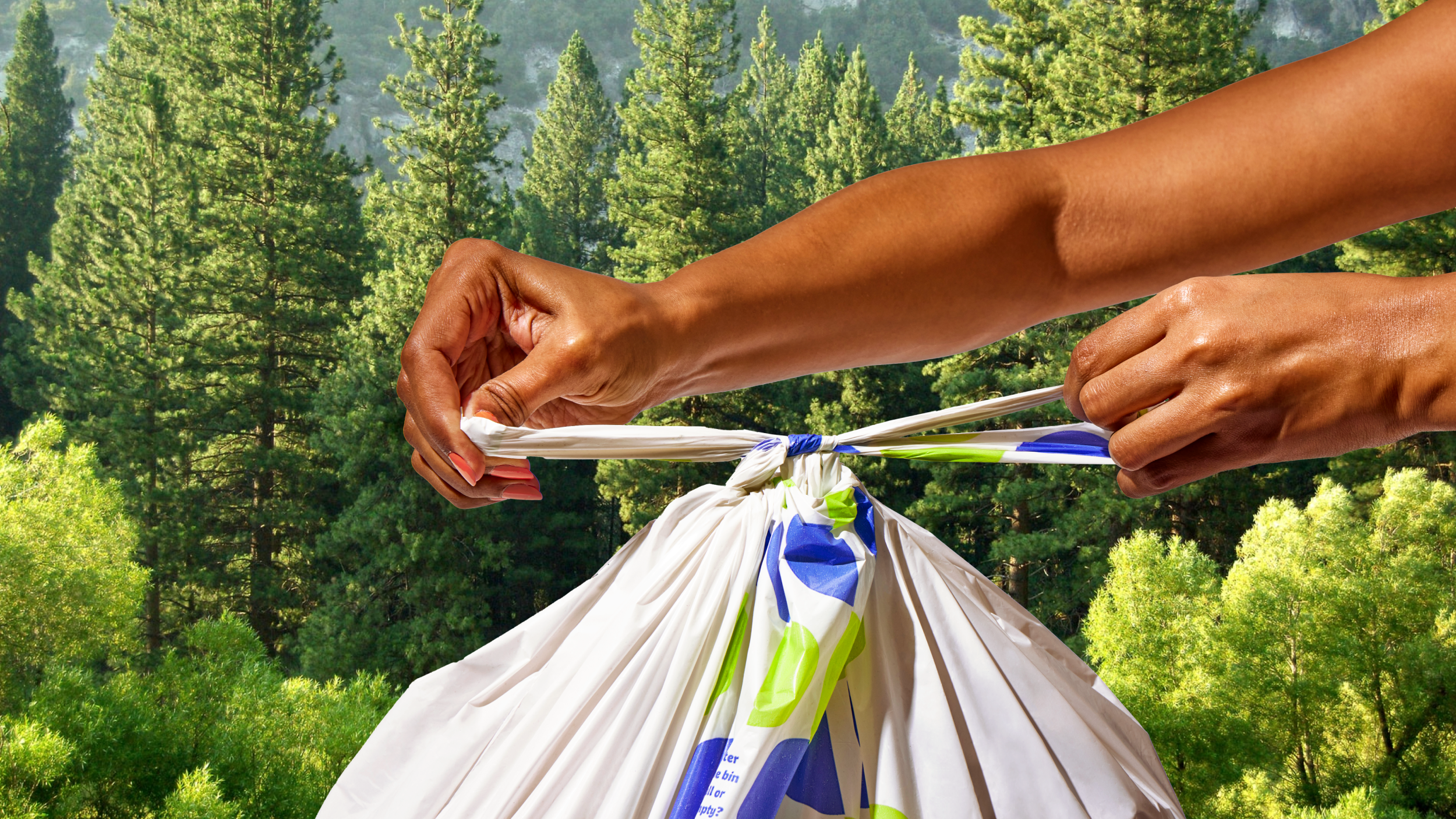
Once you know about each type of bag, the real test is figuring out which one fits your day-to-day life. And that starts with matching the bag to the waste you create – because even the best environmentally friendly trash bags can do damage in a system they weren’t designed for.
First up, start with what’s going in the bag.
If you have food scraps, certified compostable bags are your best bet. Just make sure your council accepts them and has access to a commercial composting facility. Tossing them in with the general rubbish won’t do anyone any favours (least of all the compost pile).
For general waste that’s landfill-bound, recycled garbage bags are the better option. They give old plastic a second wind without adding new fossil fuels to the mix.
Next up: location, location, location. Some councils are composting champs. Others… not so much. Check what your local system can actually process before splurging on a bag that’ll just sit in a landfill feeling misunderstood.
Lastly, there's your budget. While eco-friendly options have a reputation for being expensive, they’re often competitively priced and offer the biggest sustainability payoff. And remember: the goal isn't perfection. It's picking the best option for your household, budget and needs.
Are Eco-Friendly Garbage Bags as Durable as Traditional Plastic?
This is the question that stops people mid-aisle. If eco-friendly garbage bags can't handle a full week's worth of kitchen scraps without splitting, what's the point? Well, we hear you. But thankfully, modern eco-friendly garbage bags hold their own against traditional plastic bags.
Compostable bags are built to handle food scraps, coffee grounds and anything else your local council/municipality accepts.
Thanks to improvements in plant-based materials, they’re tougher than they used to be, but they're not invincible. Keep an keen eye out for sharp bones and egg shells!
Recycled garbage bags made from 100% recycled plastic are a different story. They perform almost identically to bags made from new plastic and can take on wet, heavy or awkwardly shaped rubbish without flinching.
The recycling process doesn't weaken them nearly as much as people assume, and many pass the same strength tests their conventional cousins do.
The real trick to making any bag last is simple: don't overstuff it. A properly sized liner that fits your bin without stretching will outperform an overloaded one every time, no matter what it's made of. Strength isn't just about material. It's about using your bags the way they were designed to be used.
What Should You Know About Disposing of Eco-Friendly Garbage Bags?
Getting the right bag is only half the job. How you dispose of it matters just as much, and this is where a lot of good intentions unravel.
Compostable bags need heat, moisture and microbial activity to break down properly, which means they belong at a commercial composting facility, not your backyard bin or the local landfill. Without those specific conditions, they'll sit there doing very little for a very long time. (Worth repeating because it's the detail most people miss!)
Before you toss anything into a food waste collection, check your local council's rules. Some facilities don't accept any bags at all, even certified compostable ones. Others have strict guidelines about what can go in. A quick search or phone call saves you from accidentally contaminating an entire batch of compost.
Unlike their compostable cousins, recycled garbage bags are destined for landfills – but choosing them still lowers the demand for new plastic production. Every bag made from 100% recycled plastic is one less reason to pull more fossil fuel from the ground.
Want to stretch your impact even further? It’s time to think outside the box. (Or should we say bag?) While reusable bags for rubbish might sound strange (and even a bit gross) they actually do the job. That said, they’re not exactly mainstream and do require a bit of work. The good news? There's another way to think about reuse: giving plastic a second or even third life through bags made from 100% recycled materials. That's reuse without the ick factor.
Pair that with proper sizing (a tall kitchen bag that's too big for your bin just creates unnecessary waste) and you've got a simple formula. Less virgin plastic, less excess material and small shifts that stack up faster than you'd expect.
Ready to make the switch?
Choosing better bags isn’t about perfection. It is about taking the small everyday actions we often ignore and letting them count for something bigger. After all, tossing rubbish is one of the few habits we all share, so changing how we do it carries real weight.
Whether you go compostable for food scraps or recycled for everything else, each choice cuts back on the demand for new plastic and helps create a future that feels a little less wasteful.
Want garbage bags that take care of your trash without trashing Mama Earth? Grab your next box of recycled or compostable liners and make your bin a little less wasteful today!
FAQs
Can I put compostable garbage bags in my backyard compost bin?
Most compostable bags need the steady heat and controlled conditions of a commercial composting facility, not the cooler, slower pace of a backyard heap.
Home systems don’t often get warm enough to break compostable bags down completely, so they hang around instead of turning into organic matter. If your council accepts certified compostable bags, send ‘em there!
Are eco-friendly garbage bags more expensive than regular plastic bags?
Not necessarily. As demand grows and production gets smarter, eco-friendly trash bags are becoming more and more accessible. For extra brownie points, they also help cut demand for traditional plastic bags and support a more sustainable waste system. If that’s not worth a few extra dollars, we don’t know what is!
Will compostable bags break down in a landfill?
Sadly, no. Landfills are sealed tight to slow decay, not speed it up. Without oxygen or microbial action, compostable bags won’t properly break down and may stick around far longer than you'd expect. That’s why recycled plastic bags are better choices for landfill-bound rubbish. Right job, right bag.
What size eco-friendly garbage bags does Who Gives A Crap offer?
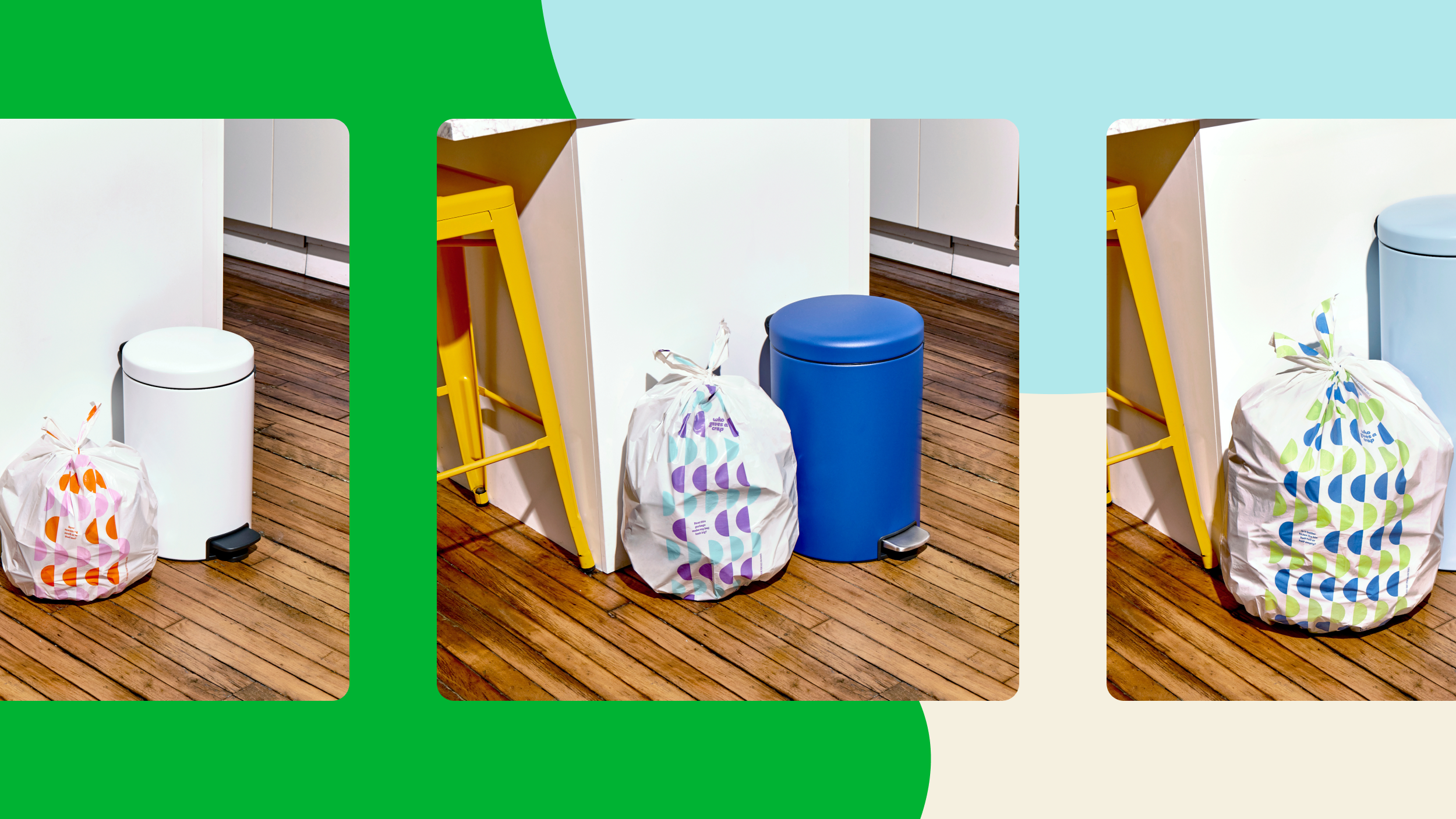
We offer eco-friendly garbage bags in multiple sizes to suit your day-to-day needs. That includes medium and tall kitchen garbage bags for bigger households, plus smaller bags that fit snugly in bathroom or office bins. Designed for everyday use, without daily guilt. Just the way we like it.
How can I tell if a garbage bag is genuinely eco-friendly?
Start with certifications. Look for OK Compost Home Standard, BPI Certified Compostable or TUV OK Compost labels if you're after compostable bags and check recycled content percentages for recycled options.
Vague claims like "earth-friendly" without specifics are a red flag. Trustworthy brands will tell you exactly what their garbage bags are made from and how to dispose of them properly. If the details are missing, the claims probably are too.