
While modern toilet paper wasn’t widespread until the mid-19th century, us humans have had lots of different techniques and tools for wiping. So we compiled the ten funkiest, weirdest and most innovative methods for wiping before toilet paper rolls roamed the earth. We don’t recommend trying these at home.
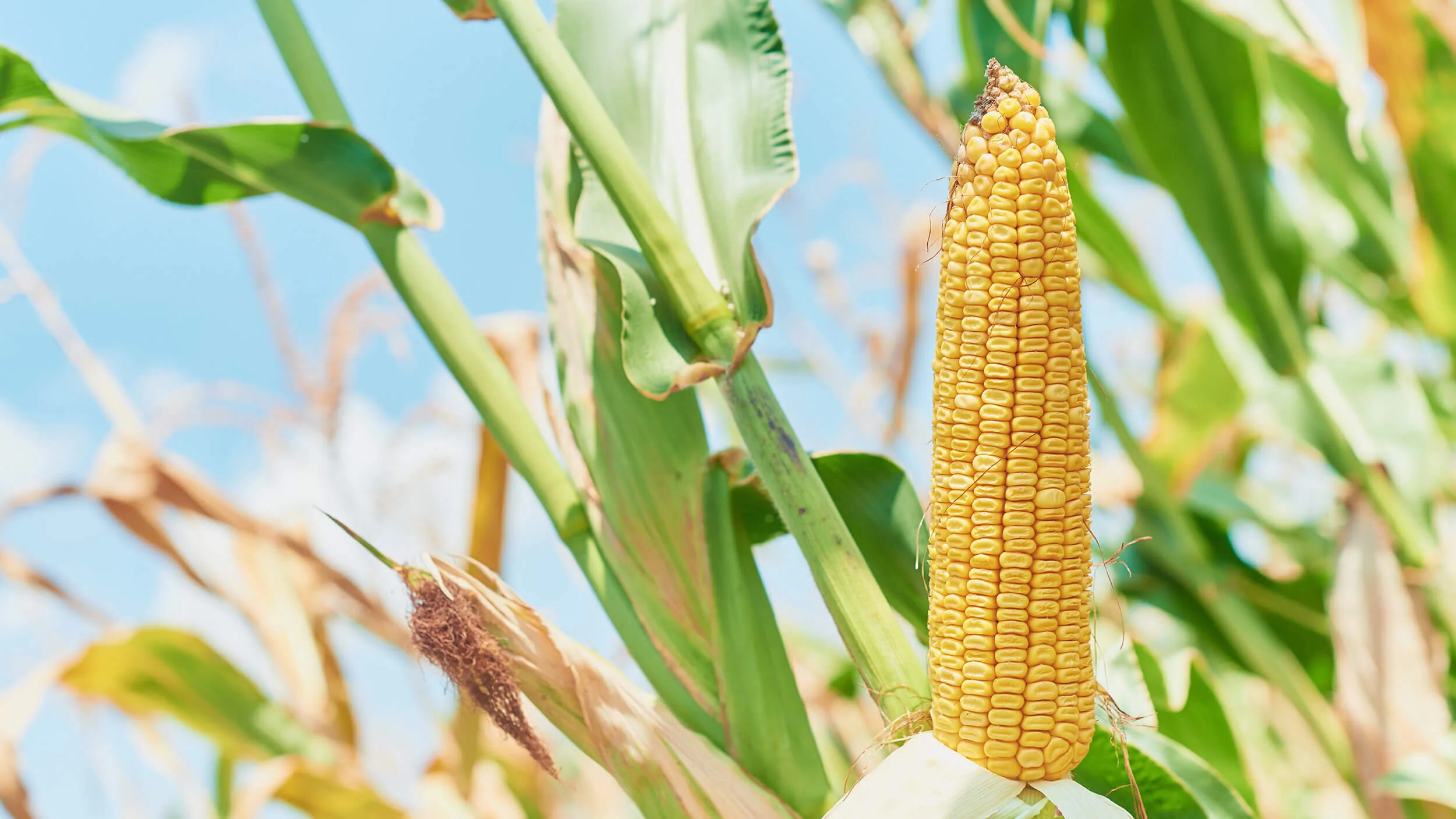
1. Corn cobs
Dried corn cobs were plentiful in rural agrarian societies throughout history. According to Farmers’ Almanac, the corncob worked by turning on its axis to clean the region (you get the picture). Some outhouses in western US states still use this method. If you know someone who actually does this, please send them our way. We have so many questions.
2. Seashells
People who lived in coastal regions used seashells, oyster shells and clamshells for their wiping needs. We imagine this method was a real pain in the butt.
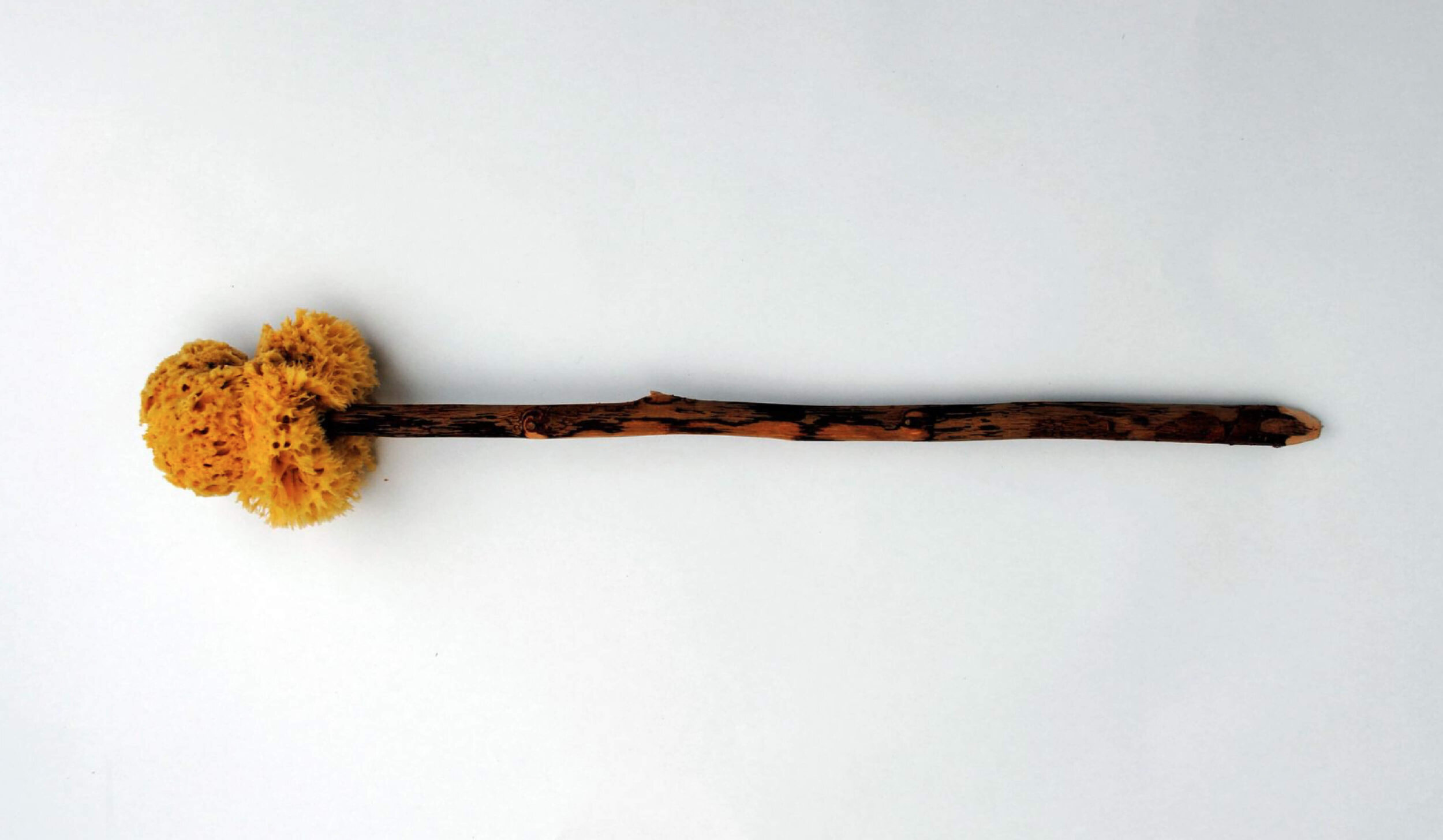
3. Sponge on a stick
The ancient (and wealthy) Romans used what’s called a “xylospongium”, which is essentially a sponge on a stick. The sea sponge attached to a handle was washed using a water source and cleaning supplies like salt water or vinegar after each use. We don’t remember this scene from Gladiator.
4. Clay, rocks and dirt
Early humans used rocks, dirt and clay to clean their bums. This doesn’t seem like the most comfortable way to wipe, but we’re not completely sure if the idea of “comfort” was even invented yet.
5. Leaves, twigs and grass
Moss and grass have been used for centuries by people who lived off the land around them. To be perfectly honest, moss doesn’t sound like the worst option on this list.
6. Pottery shards
A broken shard of pottery worked the same as a seashell or stone. Ancient Greeks utilised this technique and would sometimes inscribe the names of their enemies before using them. Wonder if this is where people got the idea for that Trump toilet paper...

7. Telephone books
We hear you: “Didn’t we have regular toilet paper when telephone books came along?” Well, not exactly. Toilet paper was still a luxury in many places. So, people without modern plumbing turned to telephone books, catalogs, and newspapers as common paper products for their wiping needs. Could you imagine if blogs were around back then? Yikes. We’re glad our blog isn’t in print form.
8. Snow
Inuit and other populations in the Arctic regions used snow and ice for their wiping needs. Brrrrr, but also... refreshing?
9. A bucket
Long before the bidet made its grand entrance, the French had a simple yet effective solution: water! The method involved using a bucket of water, your hand and a towel for drying off. This technique was quite popular across Europe and remains in use in some places today. Talk about keeping it old-school!
10. Perfumed paper
Back in 1391 China, the elite were already enjoying what we’d recognise as toilet paper, though it came in large, non-rolling sheets. This luxury item was a big deal, often perfumed to mask, well, you know, the smell. It’s fascinating to think that even then, they were adding a touch of elegance to the loo!
Final Thoughts: the last wipe
Weird? Absolutely. Uncomfortable? You bet! From corn cobs in colonial America to seashells by the sea, it’s extraordinary to see how people managed their hygiene before the invention of store bought toilet paper and modern bidets.
But these quirky alternatives to toilet paper aren’t just a good laugh; they’re a testament to human creativity and adaptation. Whether using clay, rocks, leaves or even snow, our ancestors tackled daily challenges with some impressively inventive solutions before toilet paper was invented. So next time you roll your eyes at the latest bathroom gadget, just remember: it could be a lot stranger!
Frequently Asked Questions
What shaped the hygiene habits people used before modern toilet paper?
Back in the day, folks relied on whatever was within arm’s reach, literally. Early sanitation methods were driven by local resources, climate and whatever counted as “normal” hygiene in their community. Comfort wasn’t really part of the equation… sadly for their bums.
Were some historic hygiene practices actually cleaner than others?
Surprisingly, yes. Water-based cleansing and tools that could be rinsed or refreshed offered a big upgrade over, say, a rock or a shard of pottery. For many cultures, these simple systems were the closest thing to “advanced hygiene” long before plumbing came along.
Did different cultures come up with their own wiping inventions?
Absolutely. Ancient wiping tools varied wildly depending on where you lived, from Roman sponge sticks to Arctic snow to early paper sheets in China. Each region crafted its own unique way of staying clean, proving humans have always been wildly inventive when duty calls.
How important was comfort when choosing alternatives to toilet paper?
If comfort were a priority, we probably wouldn’t have twigs, shells or literal dirt on history’s highlight reel. Most choices came down to practicality and availability. Pre-modern hygiene was more “get the job done” than “treat your tush.”
Are any traditional cleansing methods still used today?
Yep! Warm water cleansing remains common around the world and is often considered one of the most hygienic options. Even natural materials pop up in toilet paper shortages, camping, survival situations and places where modern bathroom products aren’t always accessible.