
Look, we’re not going to lie. Mama Earth isn’t doing great – and it’s all thanks to a little something called climate change. We don’t have the heart to really get into it all right now, but check out this blog from the UN if you know someone who needs a kick up the butt about the future of our planet.
But it’s not all doom and gloom. In fact, we choose to believe it’s not completely hopeless. There’s plenty that we can do to slow the effects of the climate crisis and, in some cases, even reverse them. Here are some of our favourite ways to minimise your impact on the planet.
1. Dispose of your appliances the right way
We know this seems random, but it’s one of the most impactful things you can do for the environment. ACs and refrigerators run on hydrofluorocarbons, a refrigerant that releases tonnes of carbon dioxide when not properly removed. It goes without saying, but definitely don’t dump your old mini fridge on the side of the road or put it in your roadside garbage bin. Call your local council to find out how you can dispose of your appliances responsibly.
2. Reuse
Woo recycling! For the record, we think recycling is great, but it can be easy to forget that it consumes a lot of energy. You know what takes less energy? Reducing and reusing! So go on, wash out that jam jar, upcycle that egg carton and give that cardbox another chance at life. Instead of buying reusable containers with your hard earned cash, consider what you already have hiding in your recycling bin.
3. Support women’s education
What does women’s education have to do with the environment? Turns out, a lot! According to Project Drawdown, “letting more girls continue their education, receive wanted contraception, and space out their youngsters as they’d like could cut around 120 billion tons of greenhouse gases that we'd otherwise emit over the next 30 years.” Wow!
4. Support forest protection organisations
Planting trees is awesome, but it takes decades to foster the biodiversity and complexity that pre-existing forests have. The older the forest, the more it’s able to trap and synthesise carbon dioxide. That’s why it’s so important to invest in protecting the forested lands that are currently in danger. Check out this list of conservation and forestry organisations that need your help.
5. Start a compost
All you need to get started is a bin (or bag) to collect your food waste and scraps. Some bins are so darn good looking, they could double as countertop decor. Nothing says eco-fabulous quite like a mid-century modern compost bin, right? Sorry, we’ll never say eco-fabulous again.
6. Turn off the lights
We don’t mean to sound like your dad, but turn off the lights when you leave a room, for planet’s sake! On average, we consume 12,000 watts of power per year - that’s 6x more than what environmental scientists recommend. Just being intentional and mindful of your energy usage can go a long way.
7. Do a single-use stocktake
We all know that reusable items are better for the environment. Still, we challenge you to look around your house and see how many you’re actually using. If your home’s anything like ours, you’ll be surprised by all of the single-use items hiding in your bathroom, kitchen and bedside table. Those things may be convenient, but they’re a real hassle for the planet.
8. Shop bamboo
You may already know about our premium 100% bamboo rolls, but bamboo does a lot more than make super soft toilet paper. It can make furniture, bicycles, boats, baskets, fabric and almost every part of your house. Bamboo is technically grass, so it renews itself quickly, making it a super sustainable material that does a darn good job of sucking carbon out of the air.
9. Go for a walk
If we all travelled by foot instead of by car for just 5% of our outings, we’d save 2.6 gigatons of carbon pollution by 2050. That’s over 2 billion metric tons, or the mass of 14 billion elephants!
10. Try solar power
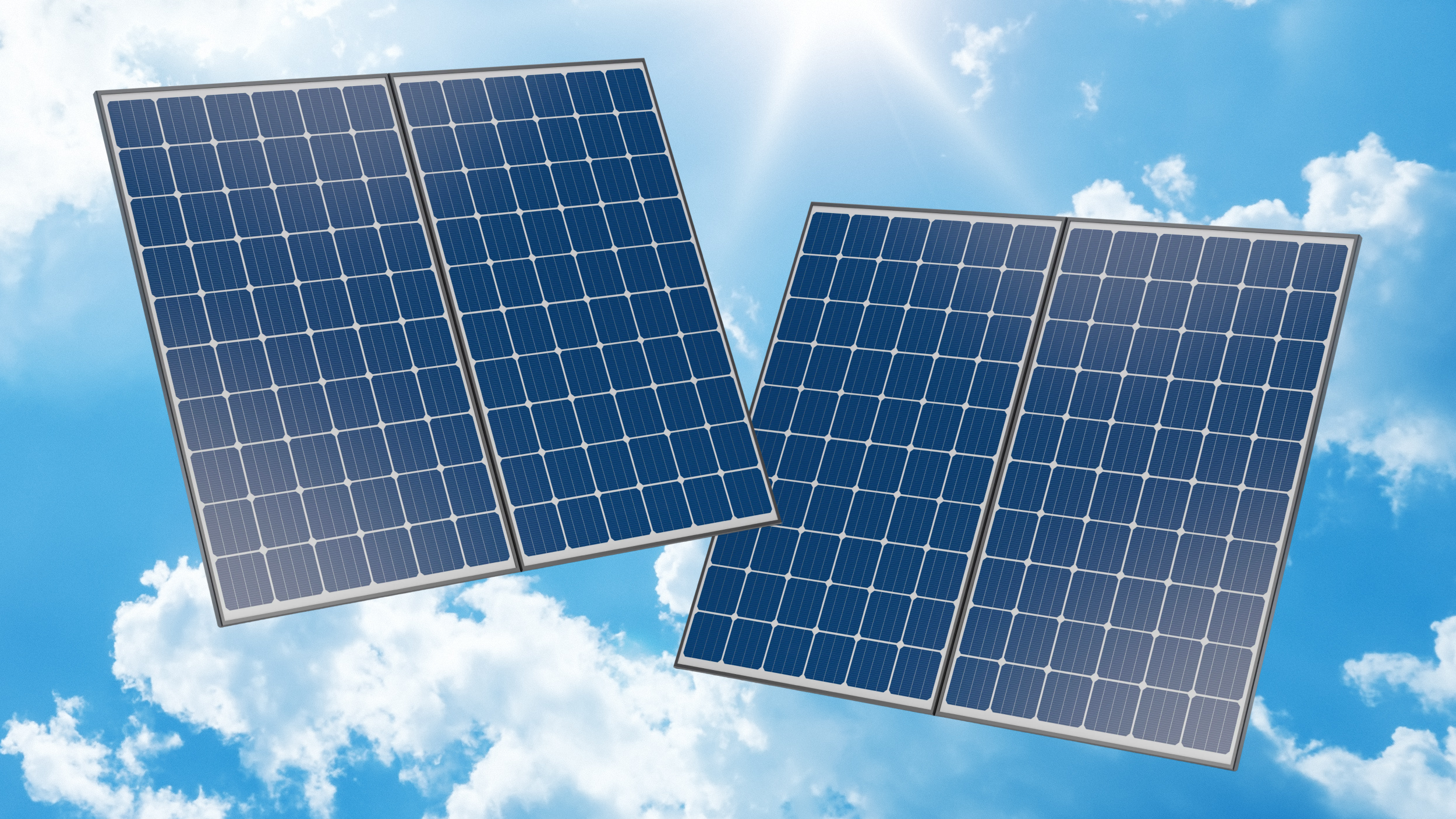
Rooftop solar panels are an incredible way to generate electricity without relying on fossil fuels. Plus, they’re much more cost-effective than your standard electric grids. If you’re not ready for all of that – or you’re renting – solar-powered appliances are a great way to test the waters.
11. Be water conscious
We know, we know. A nice, long shower is, well, nice. But an average 10-minute shower wastes around 75–190 litres of water, so try to keep your lather time to 4 minutes. Unless you spend your days rolling in mud (which actually sounds very fun), you shouldn’t need longer.
12. Take mass transit
Too far to walk? Too rusty on a bike? Take advantage of your city’s public transportation! If mass transit accounted for 40% of urban travel, we’d save 6.6 gigatons of global carbon emissions by 2050. If a car is truly your only option, try carpooling or using ridesharing apps. Who knows, you might even make a new friend to talk toilet paper with.
13. Vote
Climate change can seem like a problem of personal consumption, but it is important to recognise the structural changes that we need for a healthier planet. Put your money where your recycling bin is and support candidates that share your passion for environmental justice.
14. Be wary of wholesale supermarkets
Stores like Costco offer great deals, but if you’re not actually eating everything you buy, it’s a terrible deal for Mama Earth. We’ve all been guilty of letting lettuce wilt or mold over, but when you throw away uneaten food, you’re also tossing the energy, seeds and water it took to grow it.
15. Eat a plant-rich diet
According to the Environmental Working Group, beef production is responsible for producing more greenhouse gas emissions than air travel! And it’s not just cheeseburgers that are the problem. The act of growing the feed for livestock emits a shocking amount of nitrous oxide, a greenhouse gas 300 times more potent than carbon dioxide. Eek!
16. Have a conversation
Too many people think climate change is too big, too far away or too sciencey to understand or overcome. But according to this TED Talk by neuroscientist, Kris De Meyer, telling stories about climate change is key. By sharing the actions you’re taking to make a difference – no matter how small – you can inspire others to get onboard. It’s a classic case of “if they can do it, I can too”.
17. Spend wisely
Your money is a super powerful tool for change. Try to support businesses that are kind to the environment, consider where your superannuation, banking and energy dollars are going, and demand investments into clean energy sources and away from fossil fuels.
18. Buy less clothing
Worldwide, 80% of used textiles end up in a landfill. Fast fashion is a very real threat to the environment, so try to only buy things you truly need and love. Even better, buy second-hand to break the cycle of overconsumption. After all, a healthy planet never goes out of style.
19. Cook with in-season veggies
Skip produce that has to be flown halfway across the world to reach your local supermarket. In-season produce tastes far more delicious anyway. A simple Google search for a seasonal produce guide is all you need to find out what’s yummiest – and cheapest – in your region. Just think of all of the wonderful fruit pies you could make!
20. Buy eco-friendly toilet paper
You knew we were going to say that, right? Well, it’s important! Each day, over one million trees are cut down just to make toilet paper. By making the switch to our 100% bamboo or 100% recycled TP (which, by the way, is B Corp Certified for social and environmental impact) you’re helping fight deforestation and reduce emissions. Nice one!
For even more ways to reverse the effects of climate change and reduce carbon emissions, check out Project Drawdown. It’s a super cool organisation that lists (and ranks!) the most impactful ways we can limit global warming, based on research from leading researchers and policymakers around the world. Go get ‘em!